
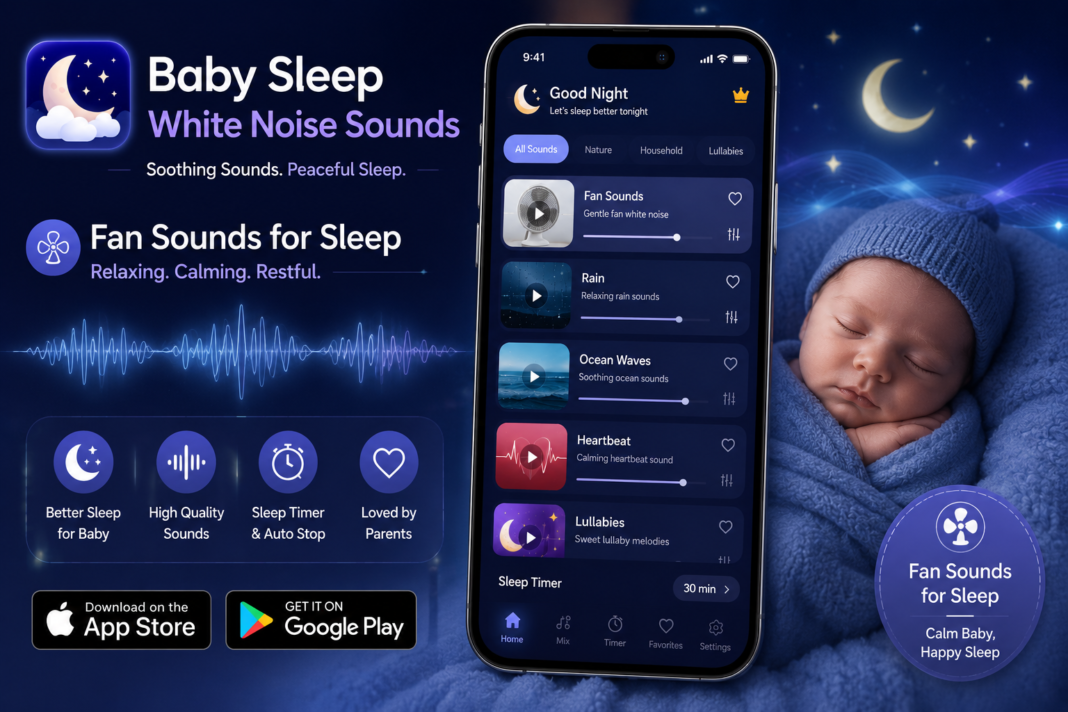

Creating a Calm Nap Environment for Babies
Daytime naps are an important part of a baby’s healthy sleep routine. Proper rest supports growth, mood, learning, and overall well-being during the early stages of development. However, helping babies settle into peaceful crib naps can sometimes be challenging, especially in busy households filled with everyday sounds and activity. One popular and gentle solution many parents use is white noise.
Soft white noise creates a steady background sound that helps babies relax and fall asleep more comfortably. During crib nap moments, these calming sounds can reduce distractions and encourage a peaceful sleep environment. From soft fan sounds to gentle rain audio, white noise helps create a soothing atmosphere that supports restful daytime sleep.
Why White Noise Helps During Crib Naps
Babies are highly sensitive to sudden sounds while sleeping. Everyday noises such as talking, television sounds, dishes in the kitchen, barking dogs, or traffic outside can easily interrupt naps. Since babies spend a large portion of their sleep time in lighter sleep stages, they may wake quickly from even small disturbances.
White noise works by masking these sudden environmental sounds. Instead of hearing unpredictable noises, babies hear a smooth and continuous sound pattern. This steady background effect creates a more stable sleep atmosphere that encourages longer and more peaceful naps.
White noise also feels naturally comforting for many infants. Before birth, babies hear constant sounds inside the womb, including heartbeat rhythms and internal movement sounds. Gentle white noise can recreate a familiar environment that feels safe and calming.
Benefits of White Noise for Daytime Sleep
One major benefit of white noise is improved nap quality. Babies who nap more soundly may wake feeling happier, calmer, and more refreshed. Better daytime sleep can also support improved nighttime sleep routines.
White noise may help babies fall asleep faster during nap time. Some infants become overstimulated after playtime, feeding, or busy household activity. Soft background sound can help calm their minds and create a more relaxing transition into sleep.
Another advantage is consistency. Babies often respond positively to familiar sleep signals. When white noise is used regularly during naps, babies may begin associating the sound with relaxation and rest.
Parents also benefit from smoother nap routines. A baby who naps more peacefully may require less rocking, soothing, or repeated settling during the day.
Choosing Gentle White Noise Sounds
Not all sound environments feel equally relaxing for babies. Gentle and soothing audio is usually the best choice for crib nap moments. Harsh or extremely loud sounds may feel overstimulating instead of calming.
Popular white noise choices include soft fan sounds, gentle rainfall, ocean waves, quiet airflow, or smooth humming audio. These sounds create a comforting atmosphere while remaining soft enough for daytime relaxation.
Some parents enjoy using nature-inspired sounds blended with white noise because they create a warm and peaceful mood. Others prefer simple and steady fan sounds because they remain consistent throughout the nap.
The most important factor is choosing white noise that feels smooth, steady, and non-distracting. Sudden changes in volume or dramatic sound effects can interrupt sleep instead of supporting it.
Building a Relaxing Nap Routine
White noise becomes even more effective when combined with a calming nap routine. Babies feel more secure when daytime sleep habits remain predictable.
Parents can begin preparing for naps by reducing stimulation before placing the baby in the crib. Lowering lights, speaking softly, and avoiding overly active playtime may help babies transition into a sleepy state.
Once the baby appears calm, white noise can be turned on at a comfortable volume. The steady sound may help create a peaceful atmosphere that encourages relaxation and sleep readiness.
Many parents use the same white noise during both daytime naps and nighttime sleep. Familiar sounds often strengthen sleep associations and make it easier for babies to settle into rest.
Safe Use of White Noise Around Cribs
Safety is very important when using white noise around infants. Sound machines or speakers should always be played at a moderate and gentle volume. Loud sound levels may become uncomfortable for sensitive ears.
The device should also be placed at a safe distance from the crib. White noise should softly fill the room instead of being directed closely toward the baby’s head.
Parents should avoid placing sound machines inside the crib or directly next to the sleeping area. A soft and balanced sound environment is safer and more relaxing for infants.
Choosing high-quality recordings or sound machines is also helpful. Smooth and uninterrupted playback creates a more peaceful sleep experience during naps.
White Noise for Different Ages and Sleep Stages
White noise can benefit babies at different stages of growth. Newborns often enjoy the comforting and womb-like atmosphere that white noise provides. Older babies may benefit from the sound masking effect as they become more aware of surrounding activity.
Toddlers may also continue using white noise during naps. Household sounds, outdoor traffic, or sibling activity can become distracting as children grow older. White noise helps create a consistent and familiar sleep environment that supports daytime rest.
Some parents continue using white noise as part of their child’s regular sleep routine because it provides comfort and predictability throughout different stages of development.
Supporting Peaceful Days for the Whole Family
Well-rested babies often feel calmer and happier throughout the day. Peaceful naps may improve mood, feeding routines, and evening sleep patterns. Parents also benefit when daytime naps become smoother and more predictable.
White noise offers a gentle and simple way to create a relaxing crib environment without complicated sleep methods. The soft and steady background sound helps reduce distractions while encouraging comfort and calmness.
By using soothing white noise safely and consistently, families can create peaceful crib nap moments that support healthy sleep habits and restful daytime relaxation for babies.